Facilities

Infrastructure for turning
ideas into systems.

SenSys is establishing an integrated research environment at the University of Manitoba for sensing, microsystems, microfluidics, advanced fabrication, characterization, and translational technology development.

The infrastructure is being designed around complete research workflows — connecting device fabrication with characterization, instrumentation, system integration, and application-level validation.

Infrastructure Vision

Build around workflows,
not isolated instruments.

SenSys infrastructure is being developed to support the progression from materials and fabrication to sensing, integration, characterization, intelligent analysis, and real-world evaluation.

DesignFabricateFunctionalizeCharacterizeIntegrateValidate

Emerging Capabilities

An integrated environment for device-to-system research.

The laboratory environment is being organized around six complementary capability areas that support the major SenSys research thrusts.

01

Microfabrication & Advanced Manufacturing

An integrated fabrication environment for rapid prototyping, microdevices, microfluidics, direct-write manufacturing, laser processing, printed electronics, and unconventional device architectures.

Microfabrication3D PrintingDirect-Write PrintingLaser ProcessingPrinted ElectronicsRapid Prototyping
02

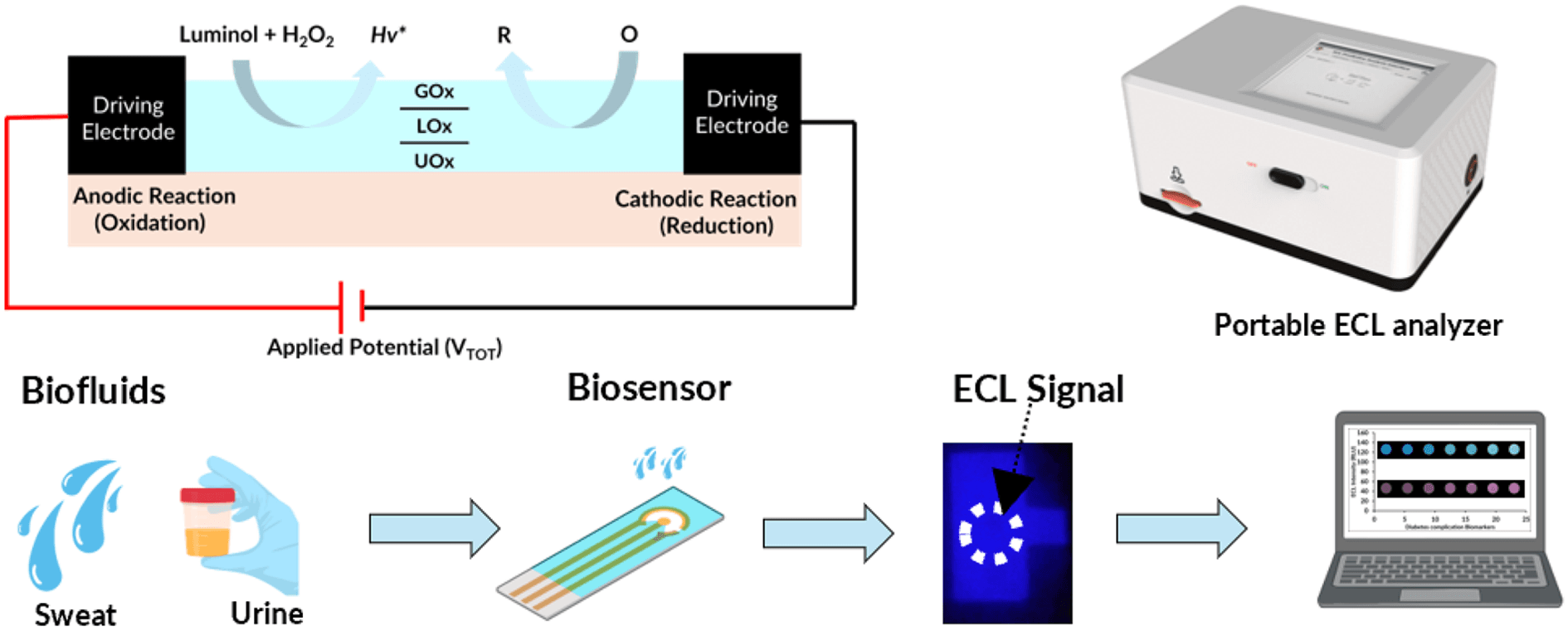
Electrochemical & Bioanalytical Characterization

Electrochemical and analytical workflows supporting biosensors, functional materials, energy devices, electrochemical interfaces, and point-of-care technologies.

ElectrochemistryEISBiosensingFunctional InterfacesEnergy DevicesAnalytical Testing
03

Optical & Imaging Systems

Optical sensing, fluorescence, microscopy, imaging, spectroscopy, and multimodal characterization for device development and analytical measurement.

Optical SensingFluorescenceMicroscopyImagingSpectroscopyMultimodal Analysis
04

Flexible & Wearable Device Engineering

Fabrication and testing approaches for textile electronics, flexible devices, wearable sensors, compliant systems, and biointegrated technologies.

WearablesTextile ElectronicsFlexible DevicesBiointegrationMechanical TestingFunctional Materials
05

Microfluidics & Point-of-Care Systems

Capabilities connecting fluid handling, pumping, thermal control, microreactors, lab-on-chip systems, sensing interfaces, and portable diagnostic instrumentation.

MicrofluidicsLab-on-ChipFluid ControlThermal ManagementMicroreactorsPortable Diagnostics
06

Environmental & Application Validation

Infrastructure supporting technology evaluation across water, soil, food, agriculture, environmental monitoring, and other application-driven research settings.

WaterSoilFood SafetyAgricultureEnvironmental MonitoringReal-Sample Validation

Research Workflow

From concept to validated technology.

The value of the infrastructure lies in how individual capabilities connect across a complete experimental and engineering pathway.

01

Design

Translate a research question into device architecture, fluidic design, sensing strategy, and system requirements.

02

Fabricate

Prototype devices using additive, subtractive, direct-write, laser, printed, and flexible manufacturing approaches.

03

Functionalize

Integrate nanomaterials, recognition chemistries, electrodes, optical interfaces, and biofunctional surfaces.

04

Characterize

Evaluate electrical, electrochemical, optical, mechanical, morphological, and analytical performance.

05

Integrate

Combine sensing with microfluidics, electronics, control, thermal management, software, and portable instrumentation.

06

Validate

Test complete systems using application-relevant samples, environments, workflows, and deployment scenarios.

University Environment

Embedded within a large research and innovation ecosystem.

SenSys is based within the University of Manitoba, providing a broader institutional environment for interdisciplinary research, collaboration, infrastructure, training, and technology development.

100+

Buildings

Across the University of Manitoba facilities environment.

6.41M

Square Feet

University facilities and infrastructure space.

676

Acres

Land represented within the UM Facilities profile.

Infrastructure for Translation

Fabricate.
Integrate.
Validate.

The aim is to create an environment in which researchers can move efficiently from a sensing concept to a functional, characterized, integrated, and application-tested system.