Research Foundation · Advanced Materials

Graphene
Technologies.

Engineering graphene from material synthesis and laser processing to flexible electronics, biosensors, microfluidics, environmental monitoring, energy harvesting, and storage.

Laser-Induced GrapheneReduced Graphene OxideFlexible ElectronicsBiosensorsMicrofluidicsEnergy

Research Overview

Beyond graphene as an electrode.

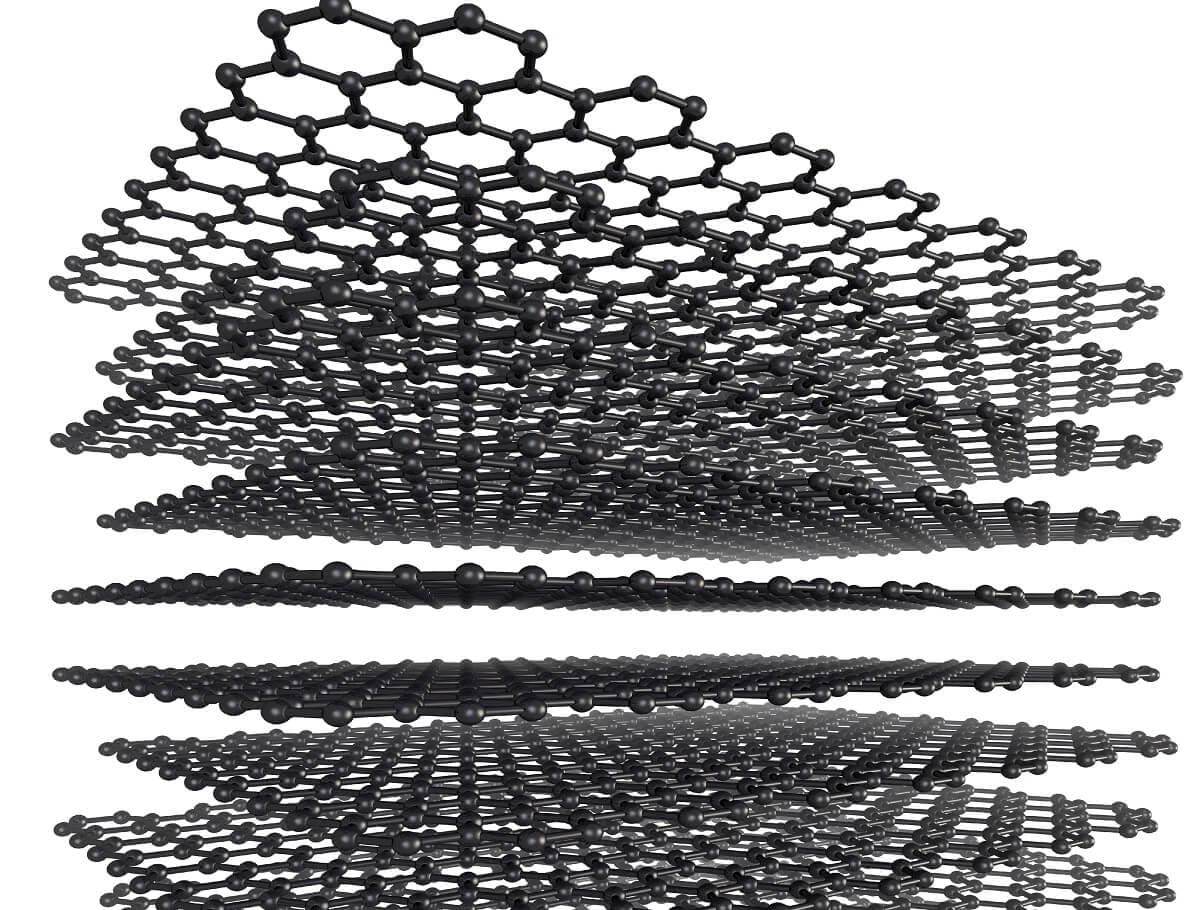
The graphene portfolio treats the material as a fabrication and integration platform rather than simply a conductive electrode.

Material composition, substrate, laser parameters, surface chemistry, transfer methods, and device architecture are engineered according to the intended sensing, microfluidic, wearable, energy, or environmental function.

30+

Graphene-Related Research Works

15+

Device Concepts

8

Application Domains

6+

Material & Hybrid Platforms

Graphene research portfolio
Material engineering → Device fabrication → System integration → Application
01

Engineer the material

Laser-induced graphene, reduced graphene oxide, doped graphene, nanocarbon hybrids, and functional composites.

02

Build the device

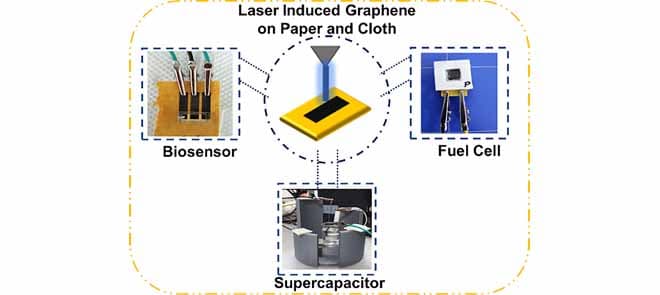
Sensors, bioresistors, flexible electrodes, microfluidic platforms, heaters, fuel cells, and supercapacitors.

03

Integrate the system

Fluid handling, electronics, portable readout, smartphone interfaces, and intelligent data interpretation.

04

Validate the application

Healthcare, water, environmental monitoring, wearables, microfluidics, and energy technologies.

Materials & Fabrication

Graphene engineered for specific device functions.

Laser processing, substrate engineering, doping, transfer, reduction, and hybridization enable graphene structures with different electrical, mechanical, chemical, and catalytic properties.

Papertronic Laser-Induced Graphene

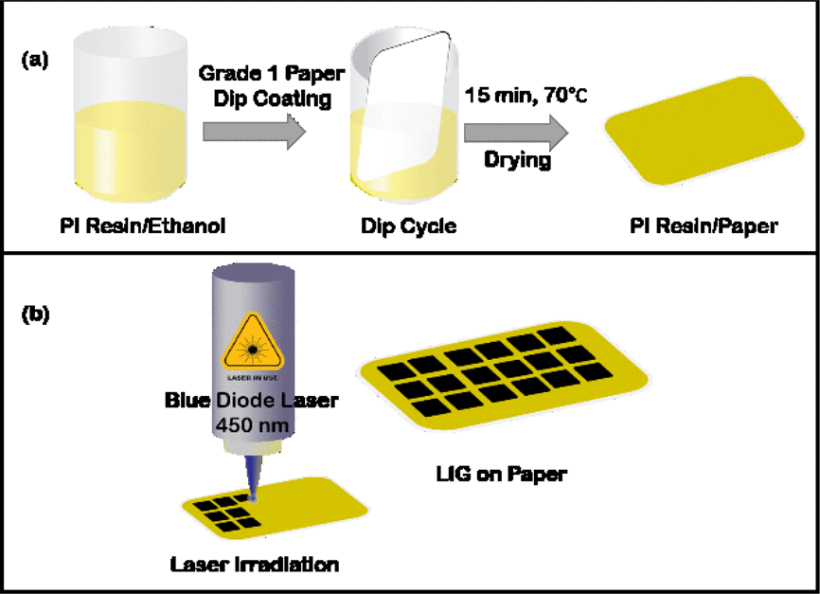
Paper Graphenisation

Papertronic Laser-Induced Graphene

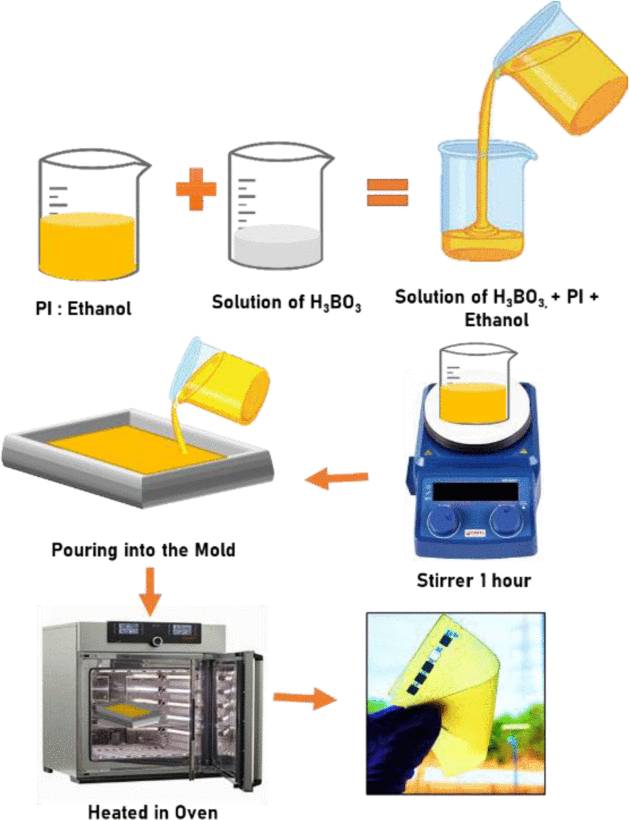
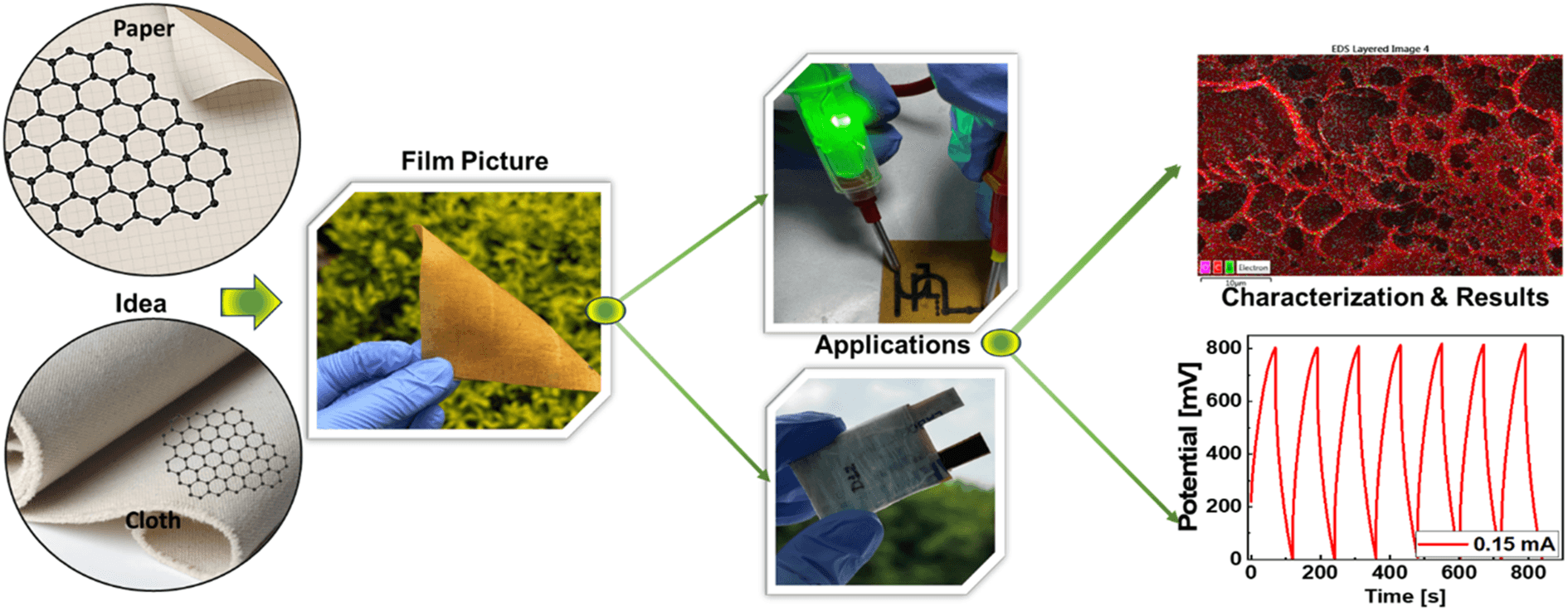
Polyimide-resin-coated paper is converted into conductive laser-induced graphene using a blue-diode laser, enabling rapid and low-cost paper-based electronic structures.

Graphenized Papertronic Devices

View publication →
Transferable Laser-Induced Graphene

Transfer Technology

Transferable Laser-Induced Graphene

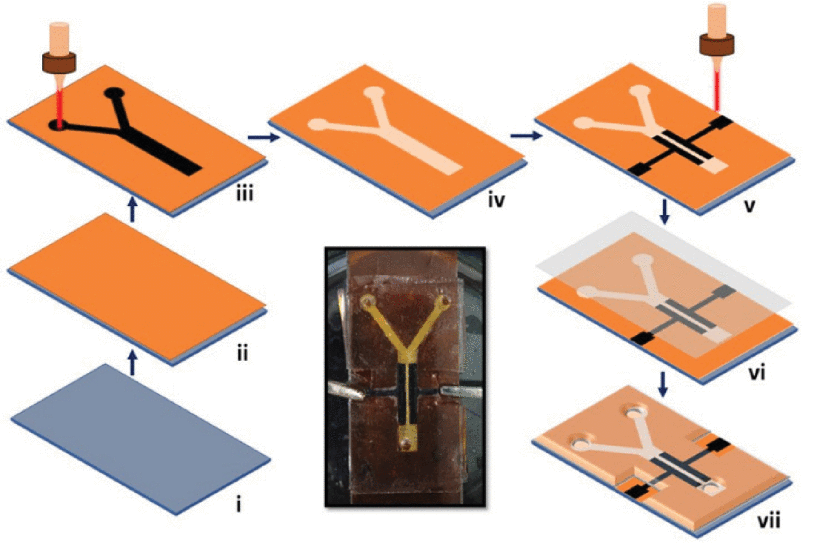
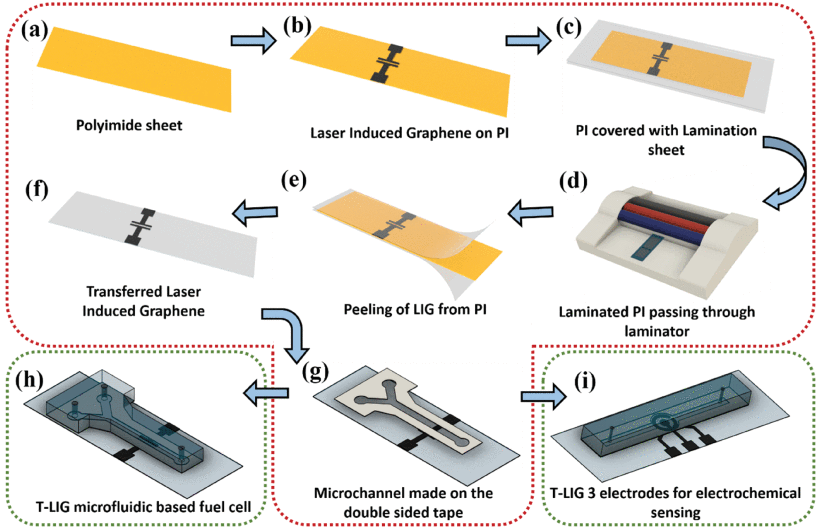
A lamination-assisted transfer route places laser-induced graphene onto flexible layers for microfluidic sensors, electrochemical devices, and fuel-cell architectures.

Transferred LIG platform

View publication →
LIG on Photoresist-Coated Glass

Ultra-Thin Electrodes

LIG on Photoresist-Coated Glass

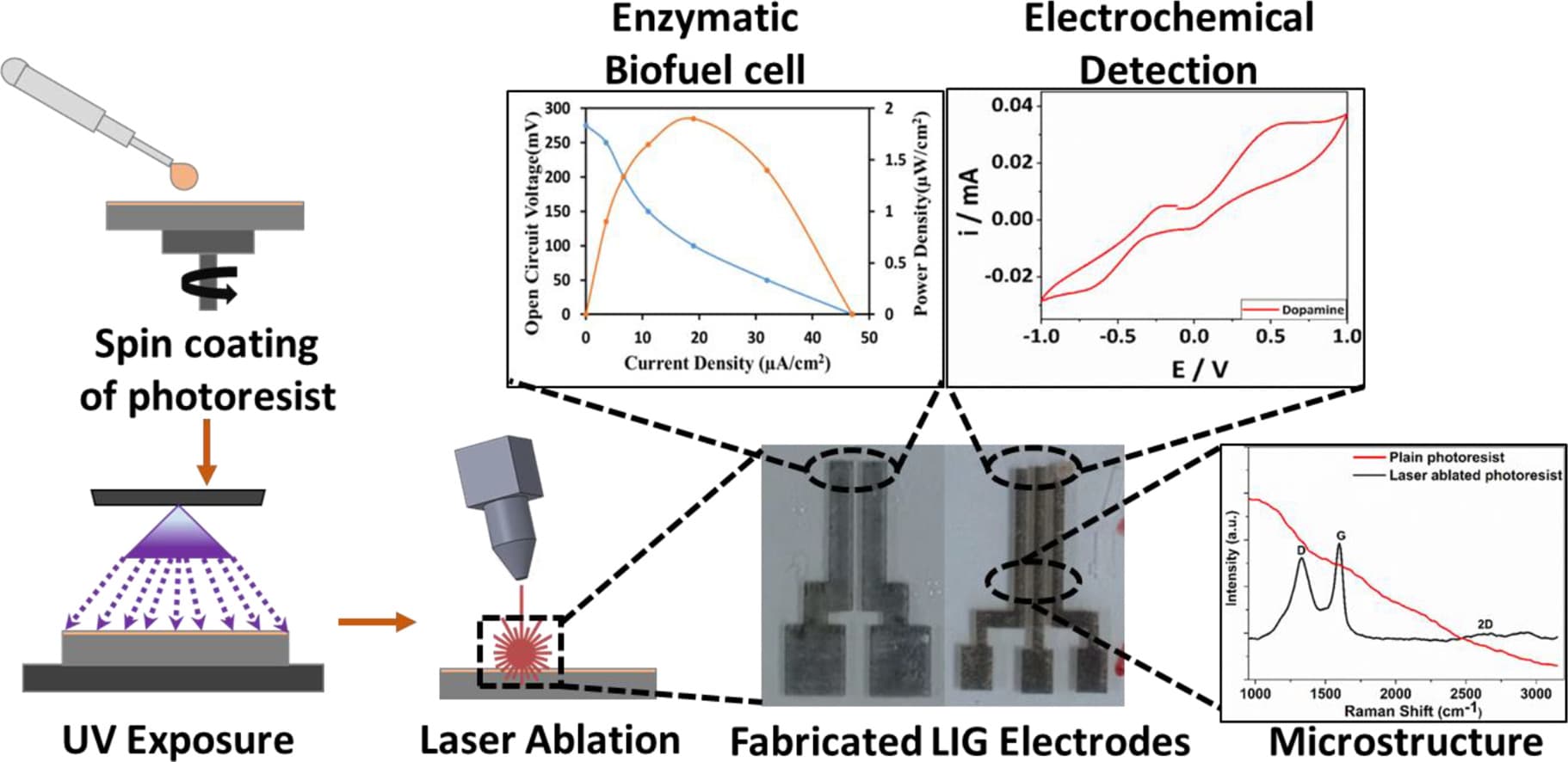
Ultra-thin graphene electrodes are formed over negative photoresist on glass for electronic and electrochemical applications.

Ultra-thin LIG electrodes

View publication →
Boron-Doped Laser-Induced Graphene

Doped Graphene

Boron-Doped Laser-Induced Graphene

Boron incorporation modifies graphene surface activity and electrochemical behaviour for sensing and flexible energy-storage applications.

IEEE Sensors Letters · 2024

View publication →
Biopolymer-Assisted Reduced Graphene Oxide

Green Materials

Biopolymer-Assisted Reduced Graphene Oxide

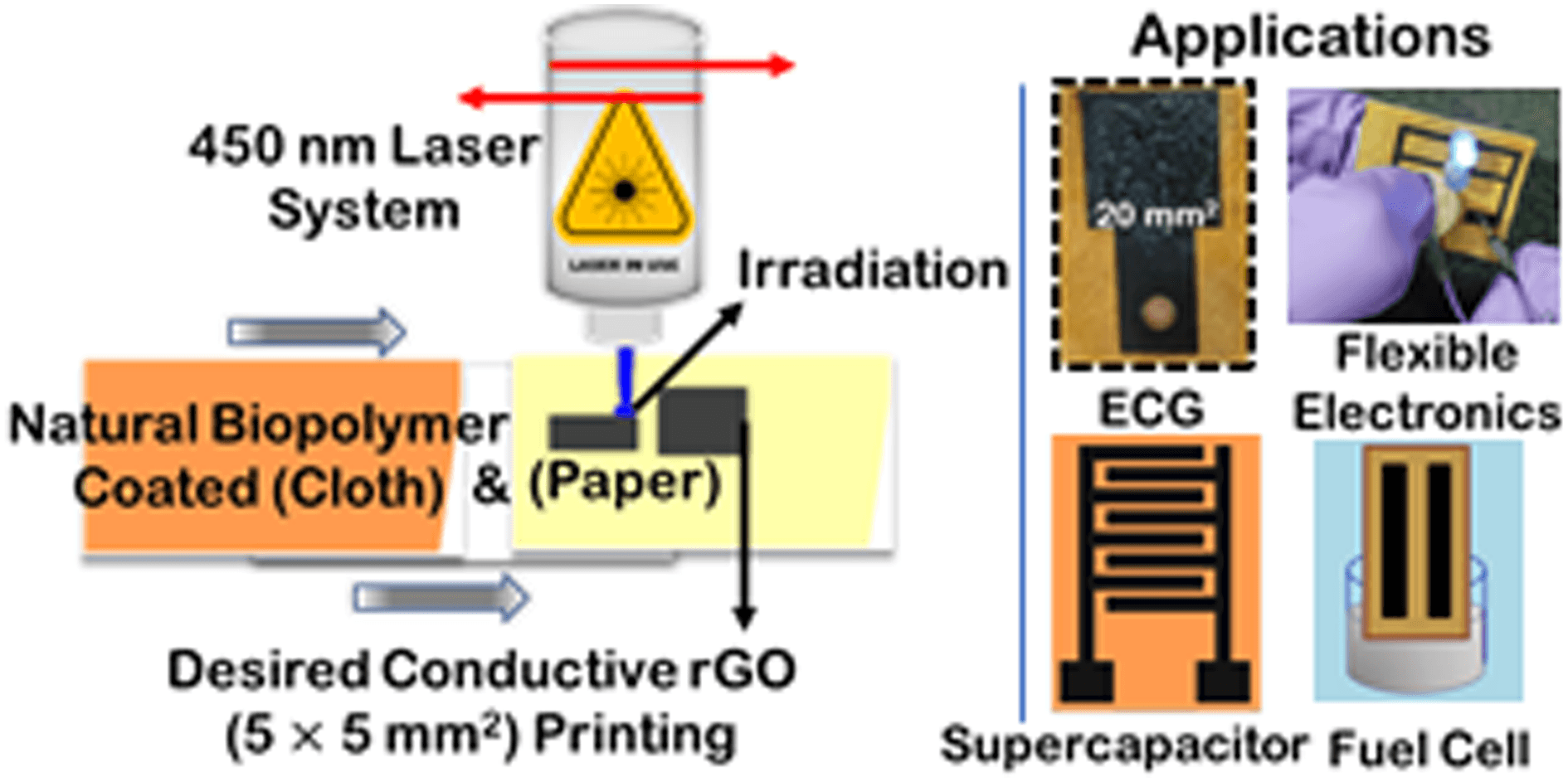
Natural shellac enables rapid formation of conductive reduced graphene oxide on paper and textile substrates for flexible, biomedical, and energy applications.

Materials Advances · 2024

View publication →
Metal–3D Graphene Composites

Hybrid Interfaces

Metal–3D Graphene Composites

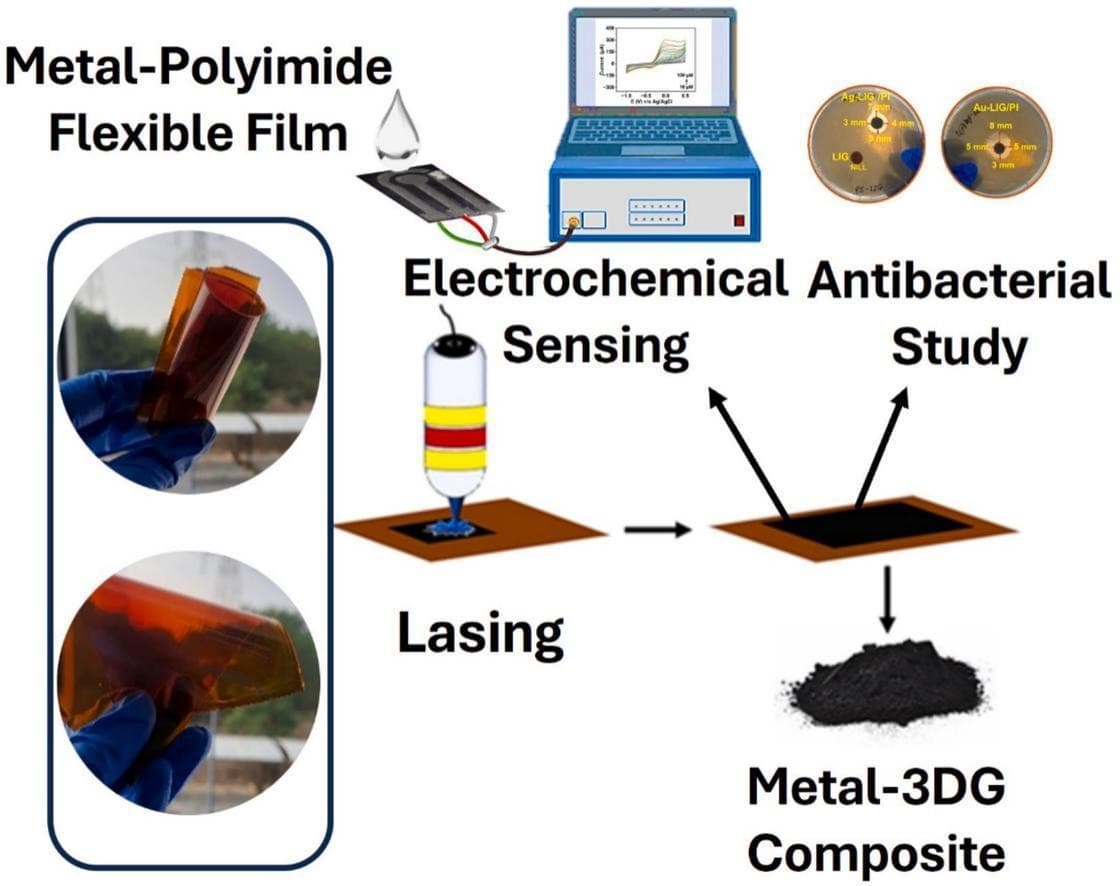
In-situ metal–graphene composite formation creates catalytic and functional interfaces for advanced electrochemical biosensing applications.

Metal–graphene composite research

View publication →

Flagship Technologies

Representative transitions from material to technology.

Graphene BioResistor for Myoglobin

Cardiac Diagnostics

Graphene BioResistor for Myoglobin

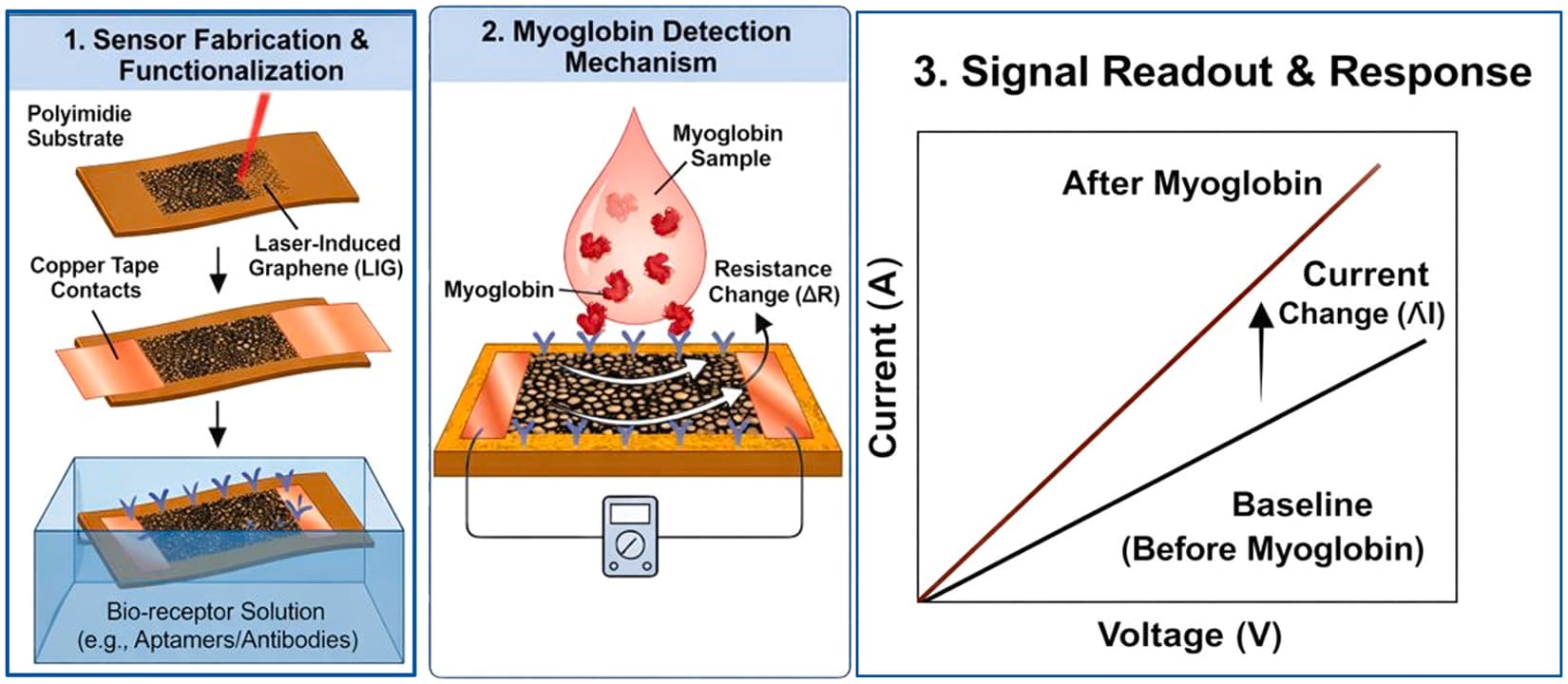
A two-terminal antibody-functionalized graphene platform enables label-free myoglobin quantification through direct resistance modulation.

IEEE Sensors Letters · 2026

View publication →
Portable Microfluidic cTnI Sensor

Point-of-Care Diagnostics

Portable Microfluidic cTnI Sensor

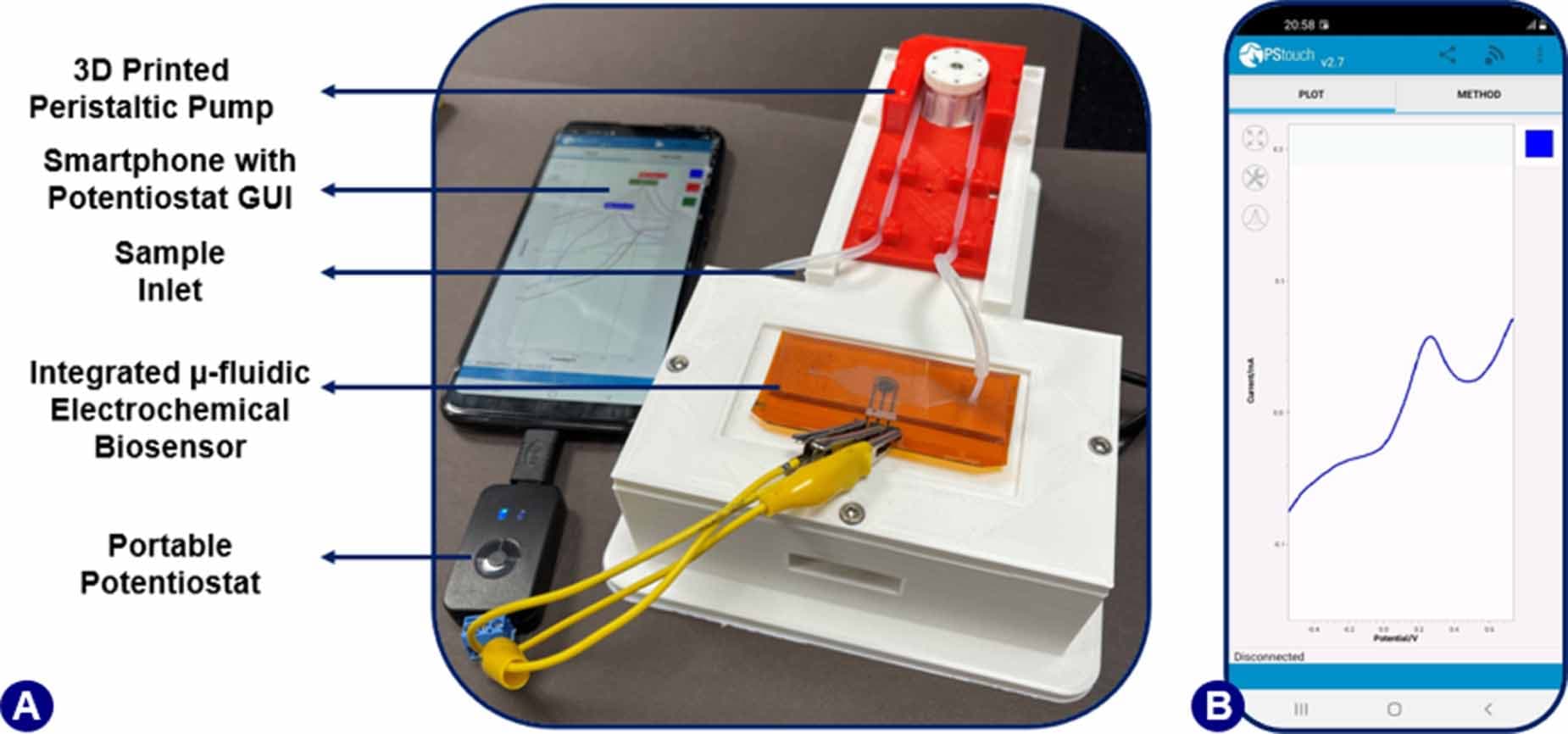
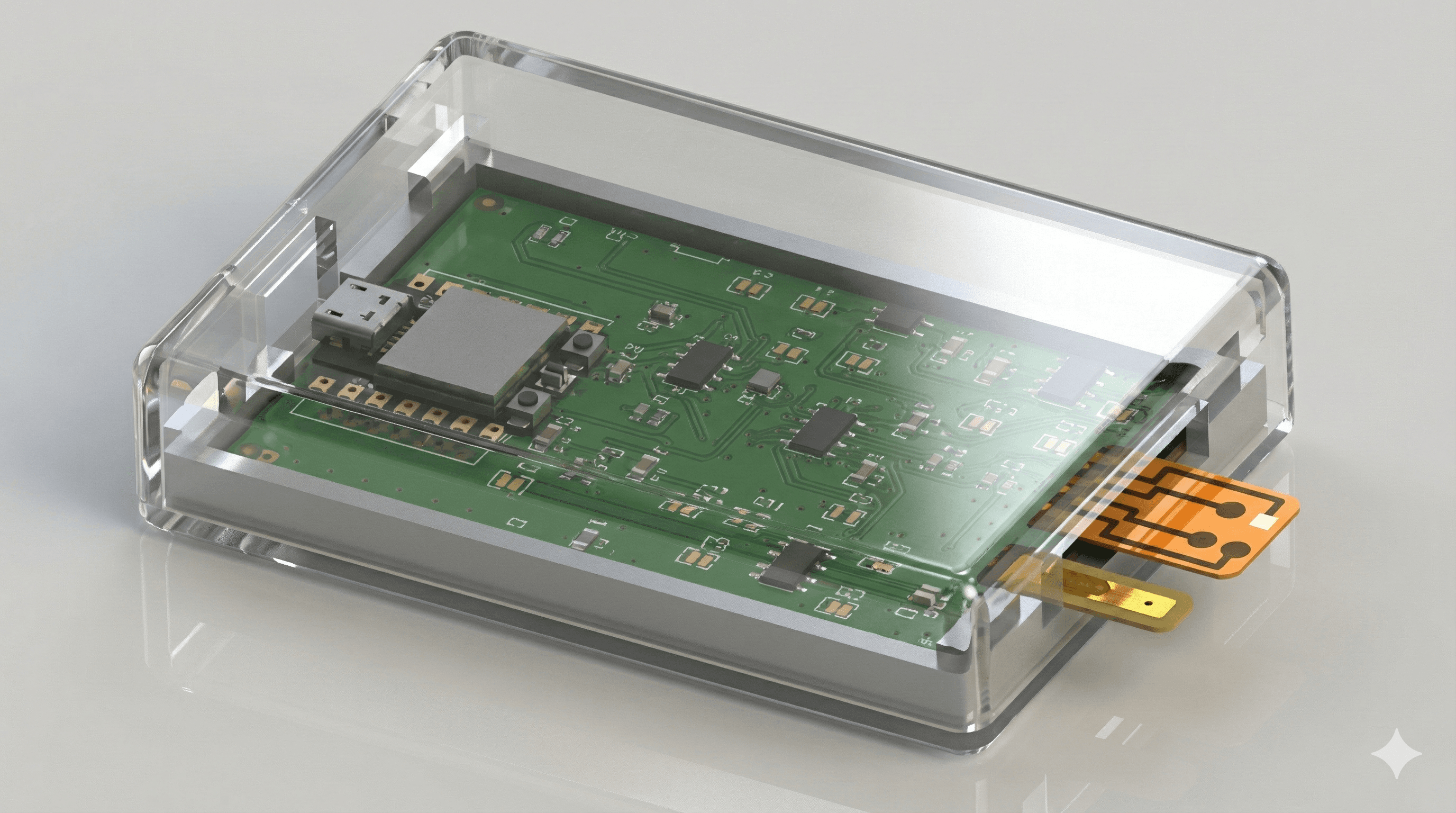
Laser-induced graphene electrodes, a PDMS microchannel, portable pumping, and smartphone-enabled electrochemical readout form an integrated cardiac biomarker platform.

Journal of Micromechanics and Microengineering

View publication →
MXene–LIG Dopamine Detection

Neurochemical Sensing

MXene–LIG Dopamine Detection

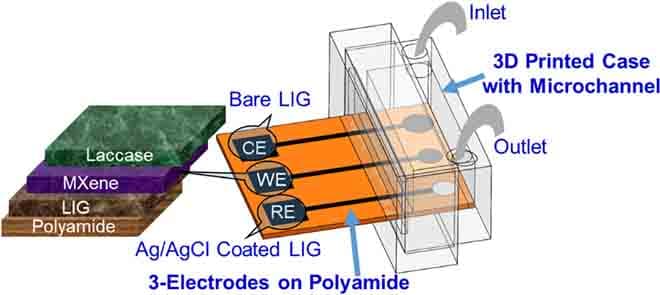
An integrated microfluidic device combines MXene-enhanced laser-induced graphene electrodes with electrochemical dopamine analysis.

Integrated microfluidic biosensor

View publication →
Doped Graphene Supercapacitor

Flexible Energy Storage

Doped Graphene Supercapacitor

Laser-assisted doped graphene on paper and textile substrates enables low-cost and mechanically compliant charge-storage architectures.

Materials Advances · 2026

View publication →

Healthcare

Graphene-enabled point-of-care and wearable diagnostics.

Flexible Urea Biosensor

Renal Health

Flexible Urea Biosensor

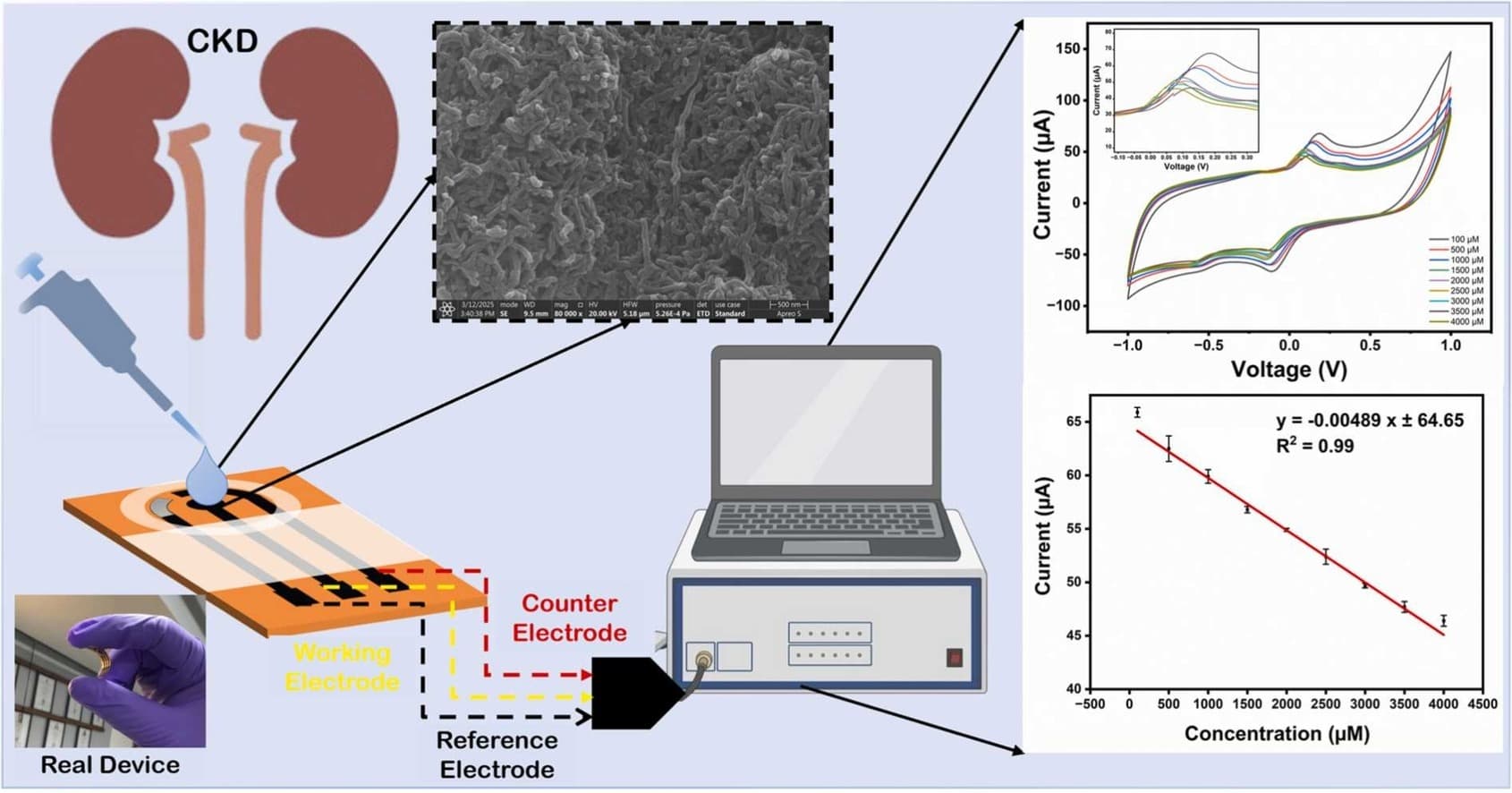
MWCNT-enhanced laser-induced graphene electrodes with urease immobilization enable point-of-care electrochemical urea quantification.

Sensors and Actuators A · 2026

View publication →
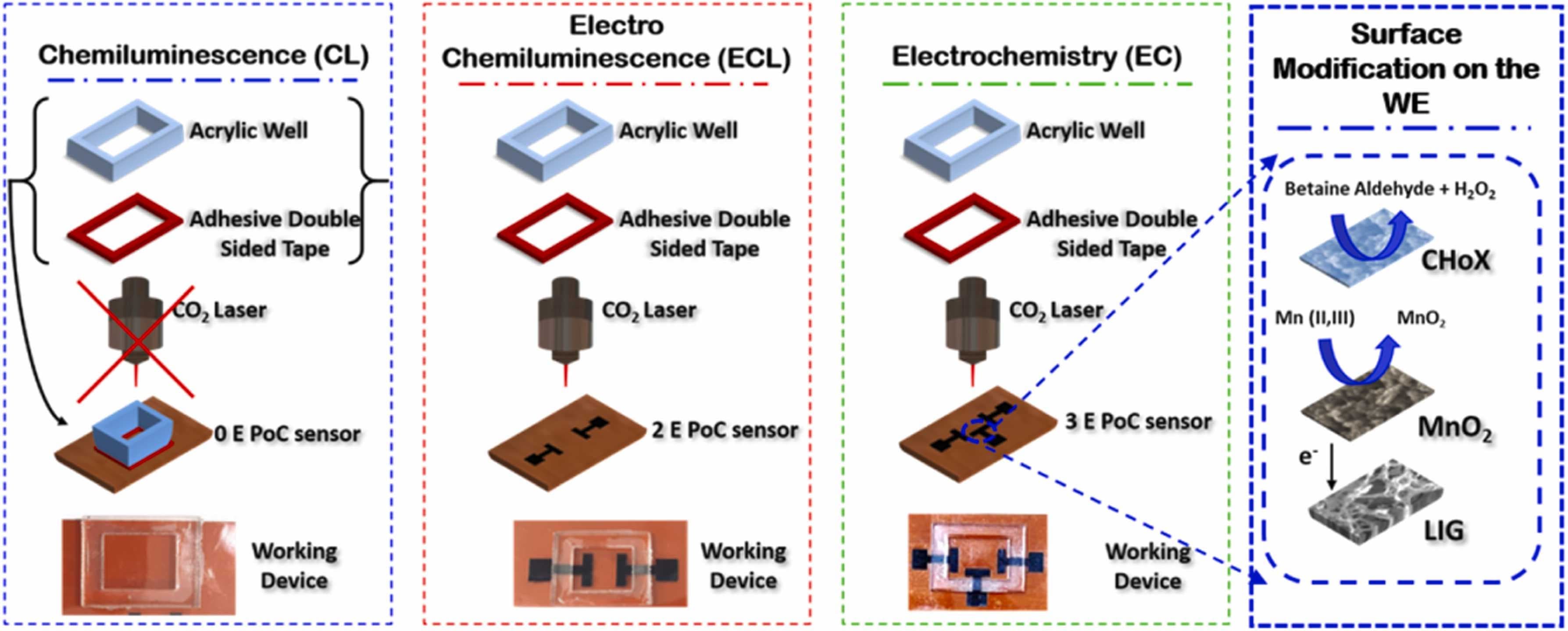
CL–ECL–EC Choline Platform

Multimodal Diagnostics

CL–ECL–EC Choline Platform

A shared graphene-enabled fabrication strategy supports chemiluminescent, electrochemiluminescent, and electrochemical point-of-care device architectures.

Sensors and Actuators A

View publication →
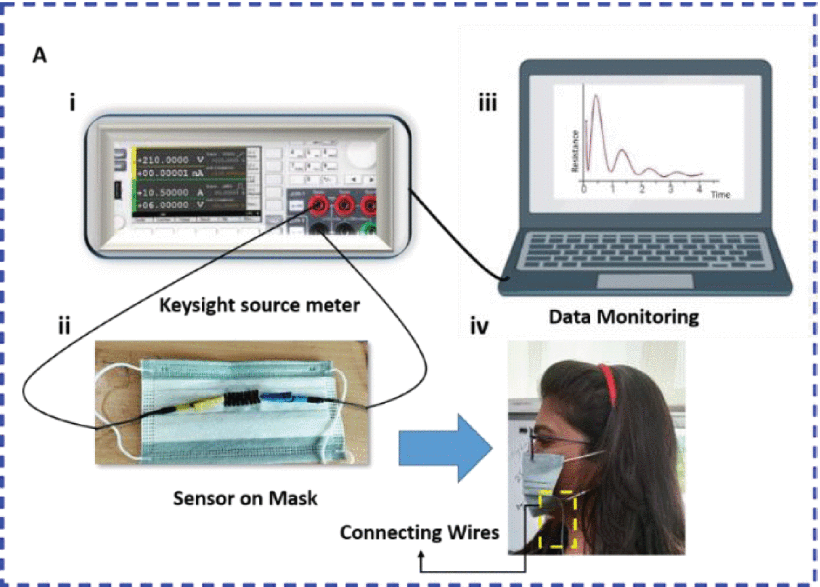
Piezoresistive Breath Sensor

Wearable Respiration

Piezoresistive Breath Sensor

A clean-room-free graphene sensor integrated with a surgical mask enables non-invasive monitoring of respiratory patterns.

Wearable point-of-care sensing

View publication →
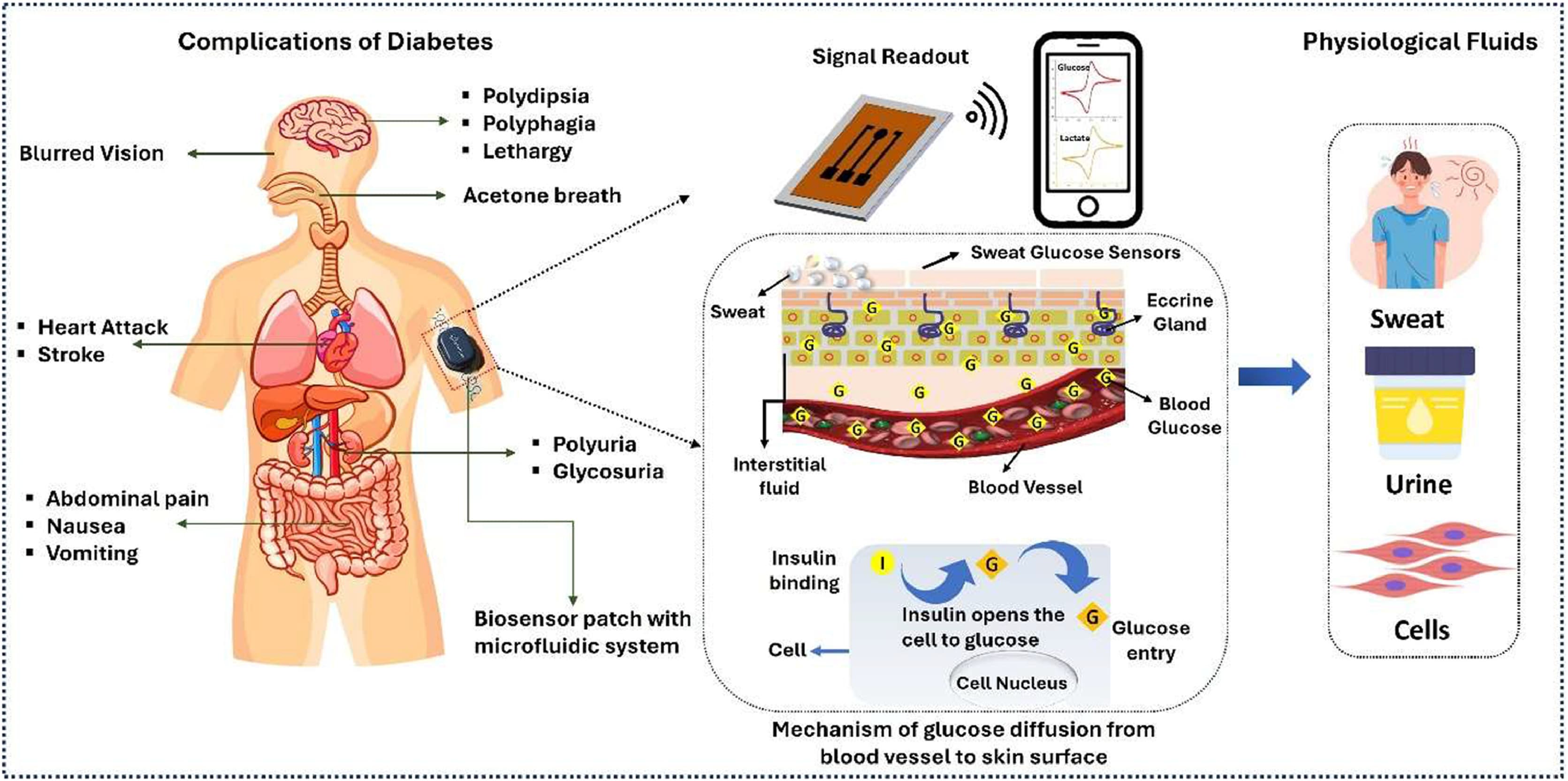
Multiplex Glucose & Lactate Monitoring

Metabolic Monitoring

Multiplex Glucose & Lactate Monitoring

A real-time electrochemical platform supports simultaneous glucose and lactate analysis in sweat, cellular systems, and physiological fluids.

Multiplex biosensing

View publication →

Environmental & Chemical Monitoring

Functional interfaces for ions, nutrients, and contaminants.

Selective Fluoride Detection

Water Quality

Selective Fluoride Detection

Polymer-functionalized laser-induced graphene provides selective electrochemical fluoride sensing in real water samples.

IEEE Sensors Journal

View publication →
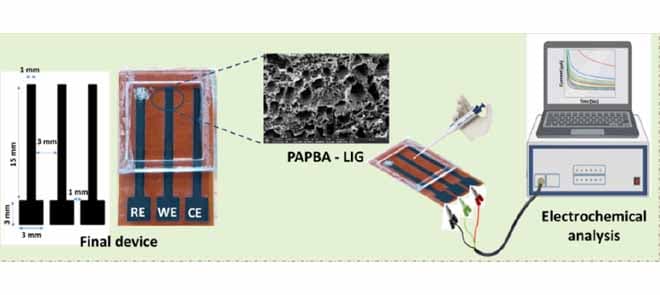
Co-rGO Phosphate Sensor

Nutrient Monitoring

Co-rGO Phosphate Sensor

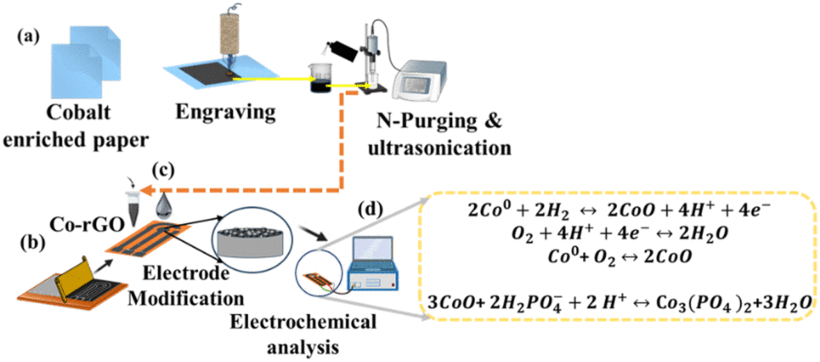
An in-situ Co-rGO nanocomposite ink is integrated with screen-printed electrodes for selective electrochemical phosphate sensing.

Electrochemical nutrient analysis

View publication →
Copper Detection & Remediation

Multimodal Ion Analysis

Copper Detection & Remediation

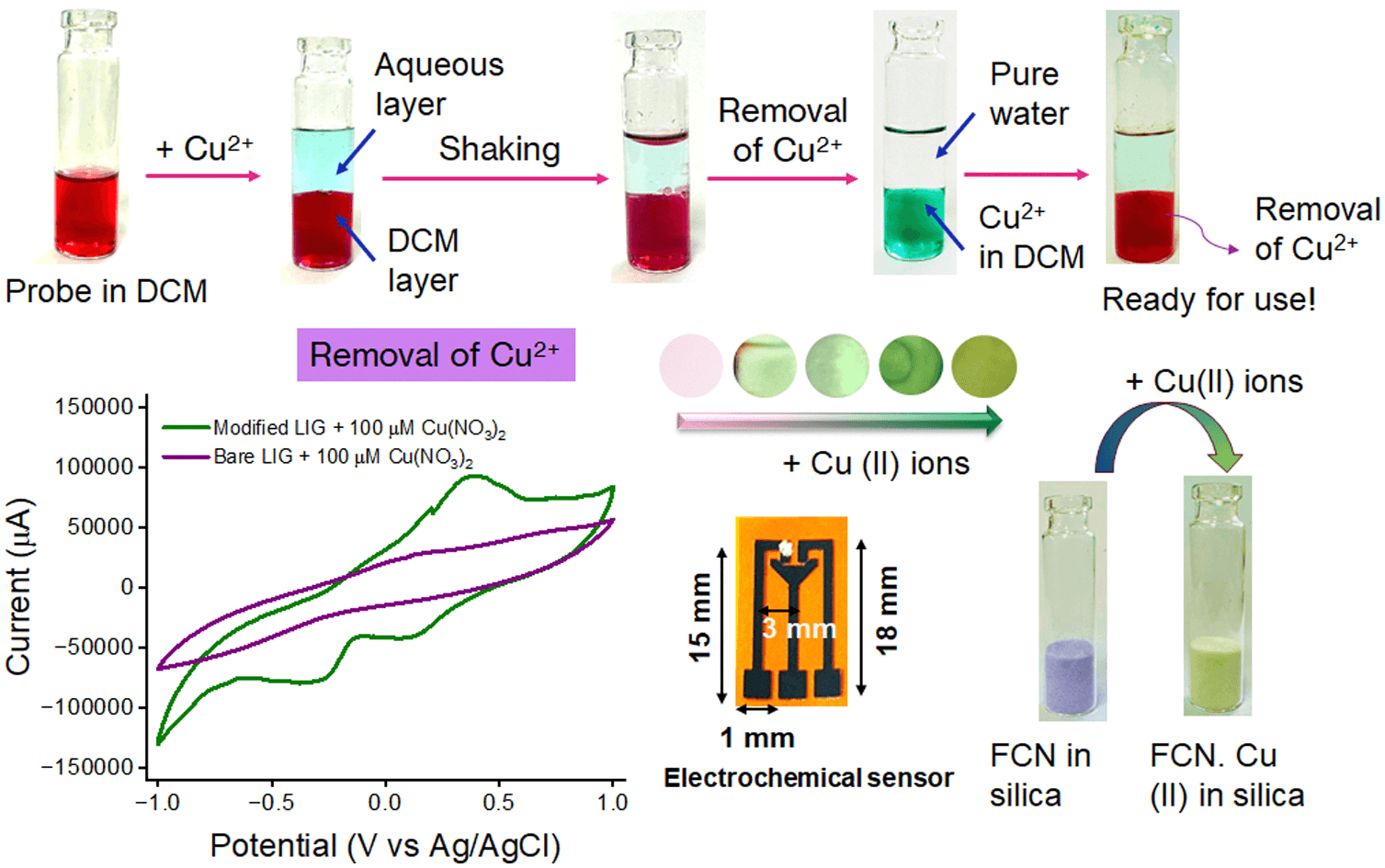
A molecular probe integrated with laser-induced graphene enables multimodal Cu(II) detection together with remediation-oriented functionality.

Optoelectrochemical sensing

View publication →

Energy Technologies

Graphene for harvesting, storage, and self-powered systems.

Microfluidic Glucose Biofuel Cell

Bioenergy

Microfluidic Glucose Biofuel Cell

CO₂-laser-ablated graphene bioelectrodes and microchannels form a compact direct-electron-transfer biofuel-cell architecture.

Microfluidic enzymatic biofuel cell

View publication →
Doped Graphene on Paper & Textile

Flexible Energy Storage

Doped Graphene on Paper & Textile

Doped graphene is fabricated directly on flexible paper and textile substrates for scalable supercapacitor architectures.

Materials Advances · 2026

View publication →

Microfluidics & Integration

Conductive structures integrated with microscale fluid handling.

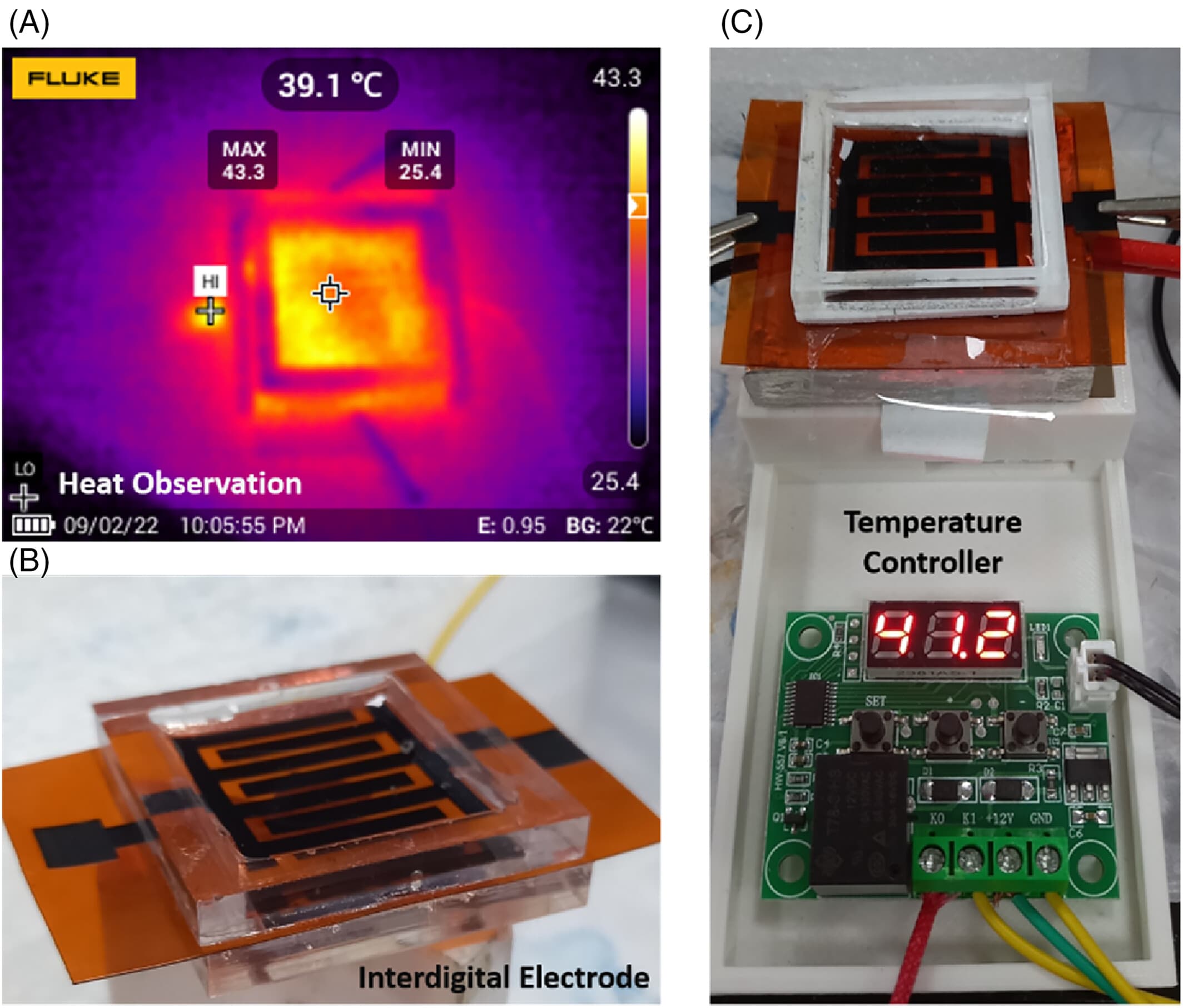
Graphene electrodes and heaters can become functional elements within the microfluidic architecture itself, enabling sensing, thermal control, pumping integration, and portable analytical systems.

MXene–LIG Dopamine Sensor

Neurochemical Microfluidics

MXene–LIG Dopamine Sensor

A microchannel is integrated with MXene-modified graphene electrodes for sensitive electrochemical dopamine detection.

Integrated dopamine biosensor

View publication →
Integrated LIG Microheater

Thermal Microreactors

Integrated LIG Microheater

Laser-induced graphene heaters provide localized thermal control within PDMS microreactor systems.

Microfluidic synthesis platform

View publication →
Transferred-LIG Microfluidic Devices

Transfer Technology

Transferred-LIG Microfluidic Devices

A lamination-assisted process transfers graphene structures onto flexible layers for microfluidic sensors and compact fuel-cell systems.

Transferred LIG platform

View publication →
Cardiac Biomarker Point-of-Care Platform

Portable Microfluidics

Cardiac Biomarker Point-of-Care Platform

A PDMS microchannel, graphene electrodes, 3D-printed peristaltic pumping, and portable electrochemical readout form an integrated diagnostic system.

Journal of Micromechanics and Microengineering

View publication →

Research Capabilities

One materials platform.
Multiple engineering competencies.

The graphene portfolio spans the complete pipeline from fabrication and characterization to device integration, portable instrumentation, and application-level validation.

01

Laser Fabrication

CO₂ and blue-diode laser graphenisation, engraving, direct writing, and patterning.

02

Flexible Substrates

Polyimide, paper, cloth, glass, polymer films, and laminated supports.

03

Surface Functionalization

Enzymes, antibodies, polymers, metals, MXenes, metal oxides, and nanocarbon hybrids.

04

Electrochemical Testing

CV, DPV, EIS, chronoamperometry, potentiometry, GCD, and related electroanalytical methods.

05

Microfluidic Integration

PDMS channels, transfer layers, pumps, reservoirs, fluid handling, and local thermal control.

06

Portable Electronics

Compact potentiostats, embedded electronics, signal conditioning, smartphones, and connected acquisition.

07

Material Characterization

SEM, Raman, XPS, XRD, EDX, morphology, and electrical characterization.

08

Application Validation

Healthcare, water, environmental, wearable, microfluidic, and energy-device evaluation.

Graphene research portfolio

Publications

A broad graphene research portfolio.

The publication portfolio extends across material fabrication, flexible electronics, electrochemical and resistive biosensors, microfluidic systems, healthcare, environmental monitoring, energy harvesting, and energy storage.

Individual technology cards above link directly to their associated publications. The complete publication archive provides the broader research record.

View all publications →

Graphene at SenSys

From functional carbon to intelligent integrated systems.

This materials-to-device foundation supports future work in integrated microsystems, flexible and wearable devices, lab-on-chip technologies, environmental sensing, intelligent diagnostics, and energy-enabled sensing systems.