Research Foundation · Food Safety & Agriculture

Pesticide Detection
Technologies.

Portable optical, electrochemical, microfluidic, and wearable sensing systems for rapid pesticide-residue screening across food, water, agricultural produce, and field-relevant samples.

ColourimetryFluorescenceChemiluminescenceElectrochemistryMicrofluidicsWearablesChemometrics

Overview

Moving pesticide analysis from centralized laboratories to the point of need.

The platform portfolio explores different routes to rapid pesticide screening: microfluidic colour development, complementary optical detection, electrochemical enzyme-inhibition sensing, chemiluminescence imaging, and wearable textile electronics.

Across the platforms, the recurring engineering challenge is the same: integrate sample handling, sensing chemistry, transduction, electronics, data processing, and real-sample validation into compact systems suitable for practical use.

04

Integrated Platforms

04

Detection Modalities

Food + Water

Real-Matrix Validation

Portable

System-Level Design

Platform Evolution

From connected microfluidics to wearable sensing.

01

PestiSafe 1.0

Connected microfluidic colourimetry

02

PestiSafe 2.0

Multimodal optical sensing + chemometrics

03

PestiSafe 3.0

Wearable electrochemical lab-on-glove

04

PoST

Standalone chemiluminescence imaging

Technology Portfolio

Four complementary approaches to field-oriented pesticide sensing.

Microfluidic Colourimetric Detection
Watch demonstration01

PestiSafe 1.0

Microfluidic Colourimetric Detection

Colourimetry · Microfluidics · IoT

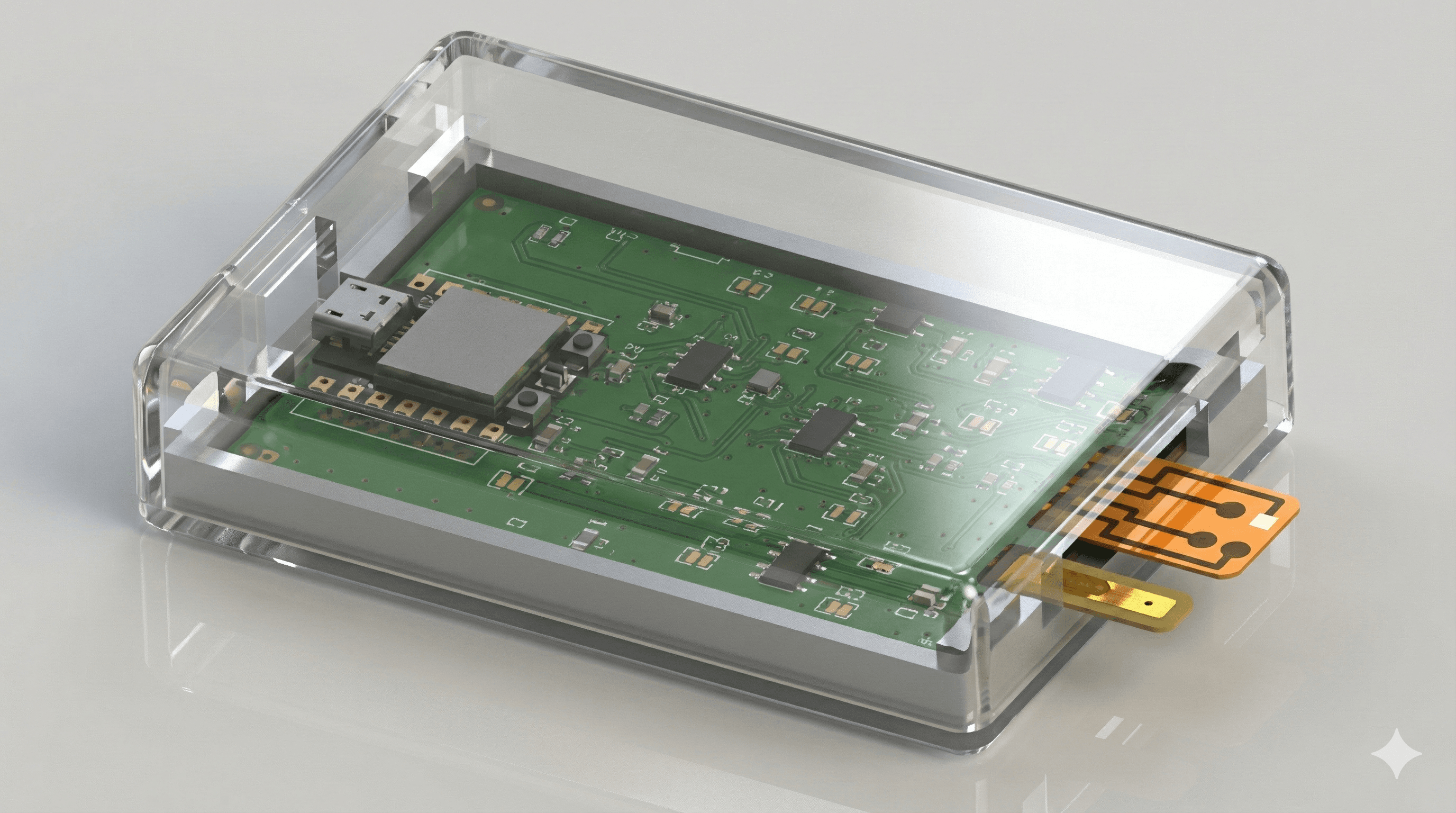
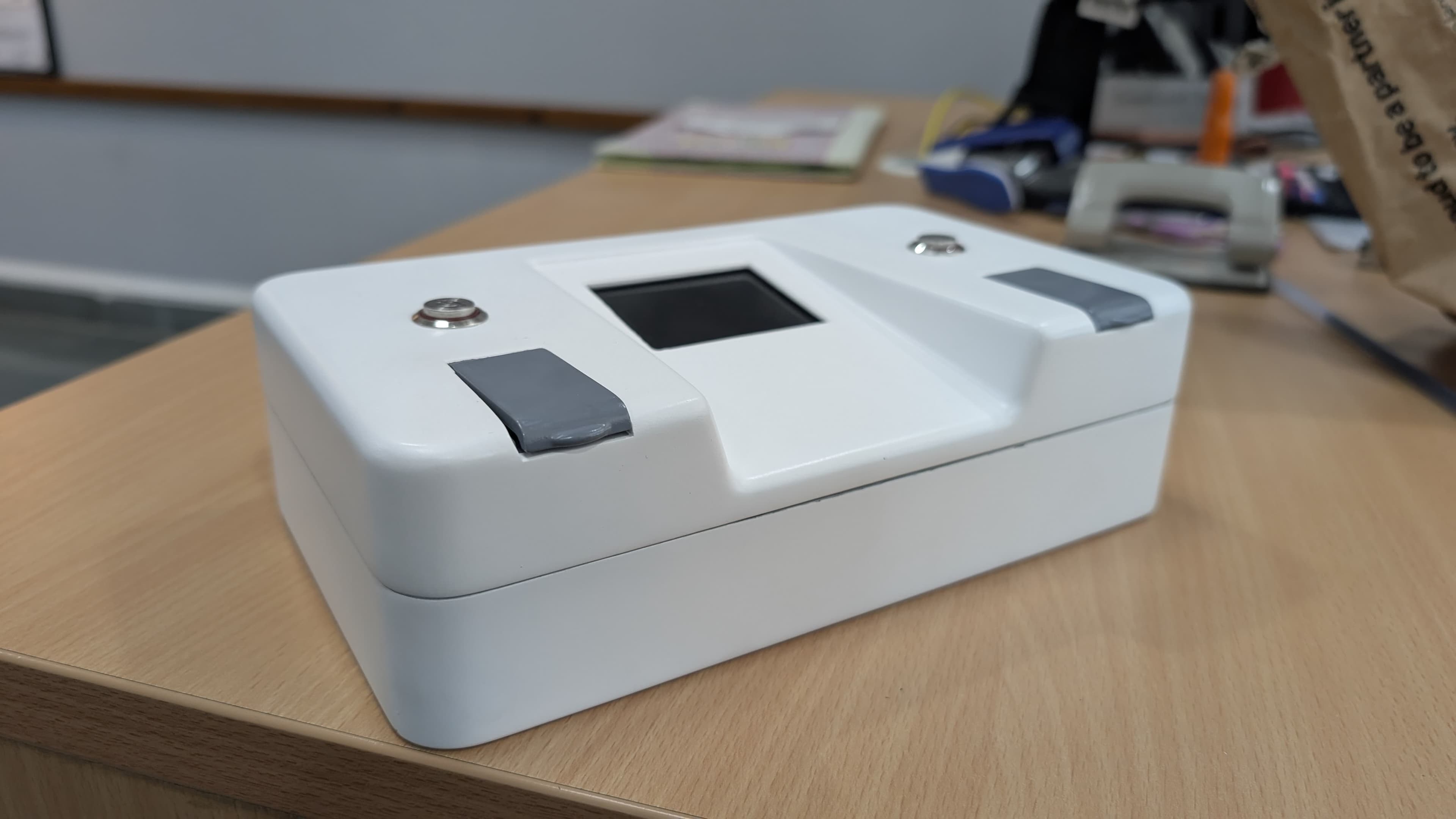
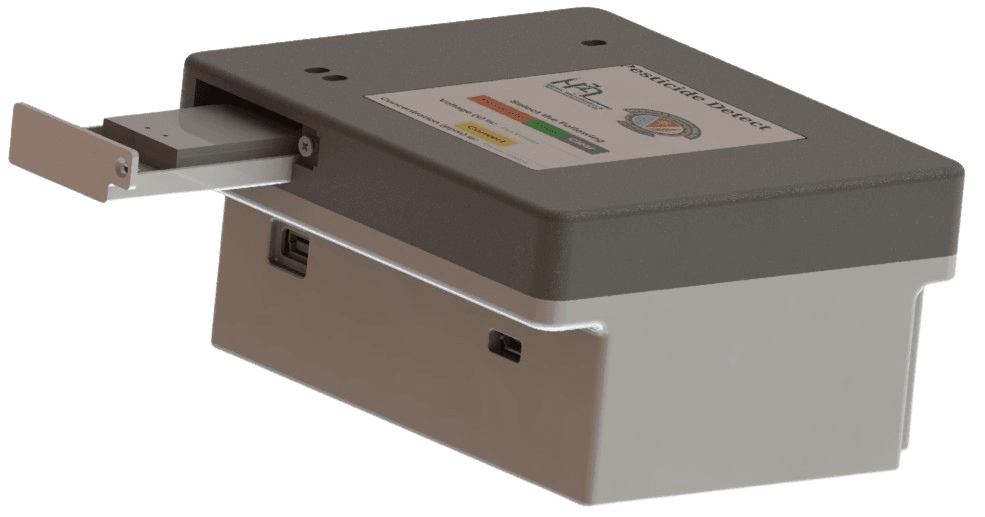
A handheld organophosphorus-pesticide screening system combining chemical colour development, passive microfluidic mixing, optoelectronic detection, embedded electronics, and connected reporting.

  • Modified molybdenum-blue reaction for organophosphorus pesticide detection.
  • PDMS chip integrating split-and-recombine and spiral micromixers.
  • LED-photodiode optical readout with transimpedance amplification.
  • OLED display, Android interface, and ThingSpeak connectivity.
  • Evaluated for malathion, chlorpyrifos, dimethoate, and an organophosphorus mixture.
OP mixture LoD · 0.07 ppmCucumber validationIoT enabled
Dual-Mode Optical Detection & Pesticide Discrimination
Watch demonstration02

PestiSafe 2.0

Dual-Mode Optical Detection & Pesticide Discrimination

Optical Sensing · Fluorescence · Chemometrics

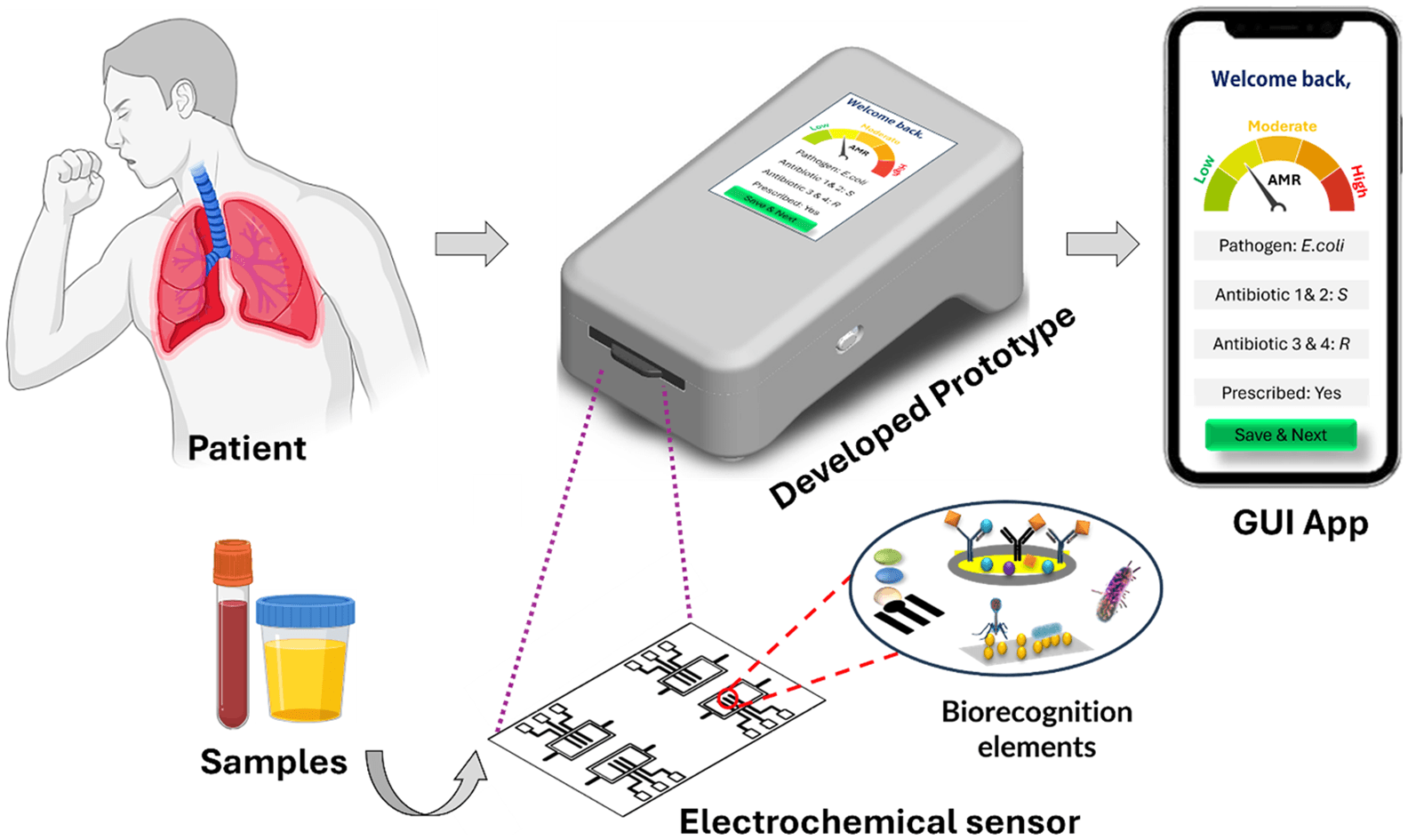
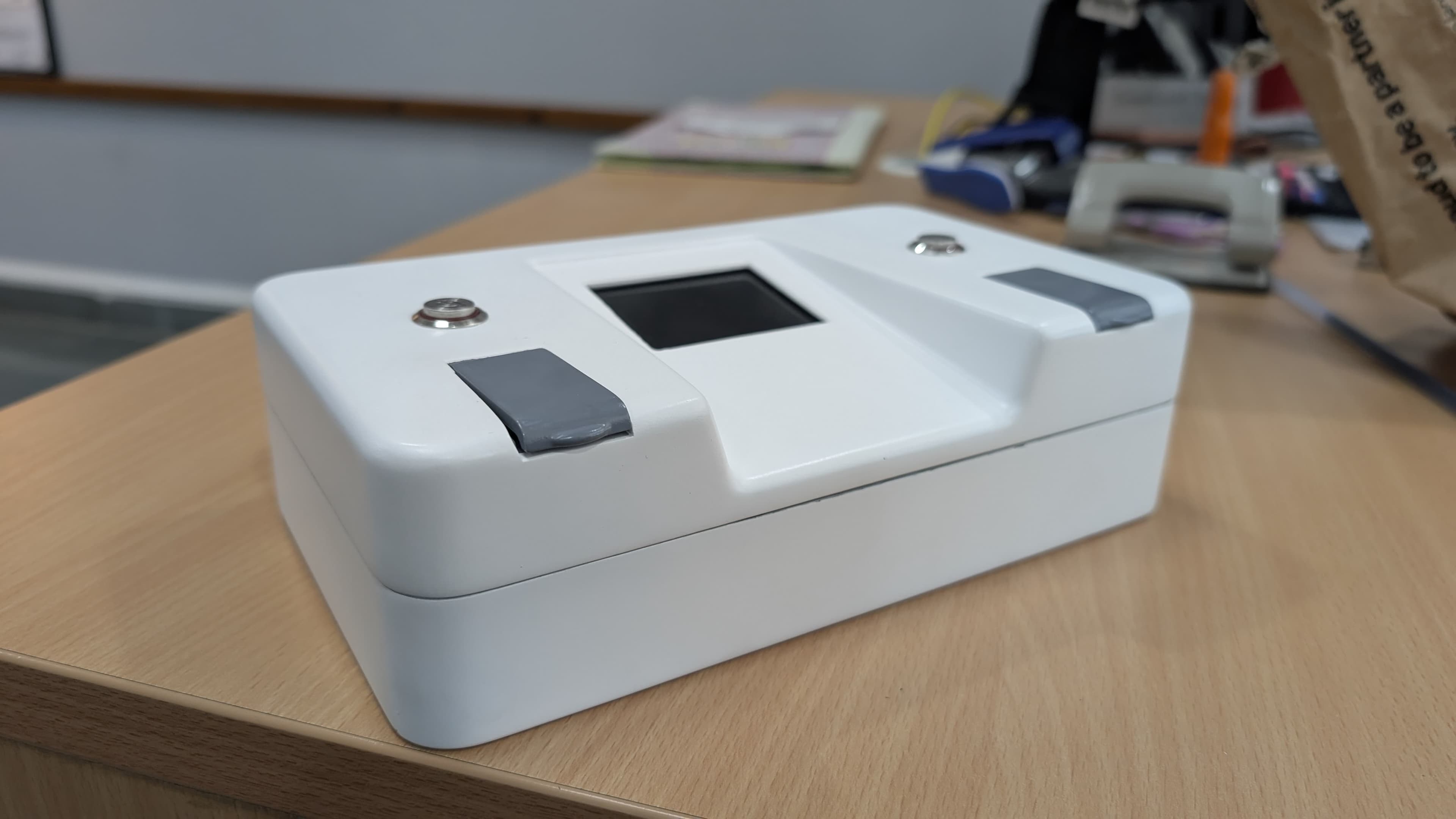
A portable dual-mode platform combining complementary optical measurements to generate internally cross-verified analytical responses together with chemometric pesticide discrimination.

  • Independent complementary optical measurement channels.
  • Integrated signal conditioning, amplification, and automated optical readout.
  • BLE-enabled mobile interface for calibration and reporting.
  • Chemometric analysis using PCA and k-NN for pesticide discrimination.
  • Validated using food and water matrices including rice, cucumber, and tap water.
Imidacloprid LoD · 2–3 µg/LMalathion LoD · 30–40 µg/LRecovery · 92–107%
Machine-Embroidered Lab-on-Glove Biosensor
Watch demonstration03

PestiSafe 3.0

Machine-Embroidered Lab-on-Glove Biosensor

Electrochemistry · Wearables · Textile Electronics

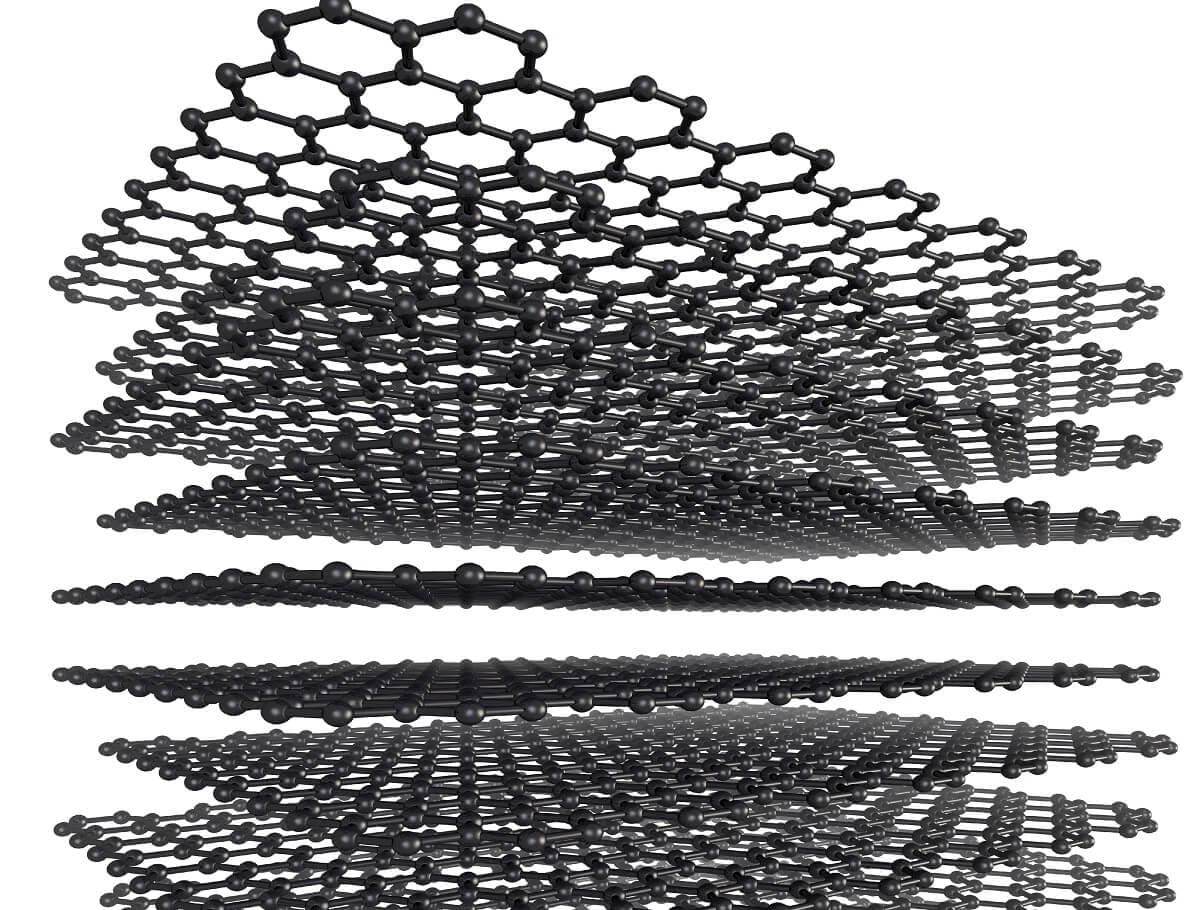
A wearable electrochemical sensing platform fabricated through computerized embroidery for direct swipe-and-scan pesticide-residue screening from agricultural surfaces.

  • Silver-coated polyamide textile electrodes integrated onto a glove.
  • AChE inhibition-based electrochemical detection of monocrotophos.
  • Machine-learning-assisted and statistical stitch-parameter optimization.
  • Mechanical evaluation under bending and twisting.
  • Reusability and long-term storage-stability evaluation.
LoD · 1.55 µg/LRange · 5–100 µg/L90-day stability
Microfluidic Point-of-Source Chemiluminometer
Watch demonstration04

Chemiluminescence PoST

Microfluidic Point-of-Source Chemiluminometer

Chemiluminescence · µPAD · Imaging

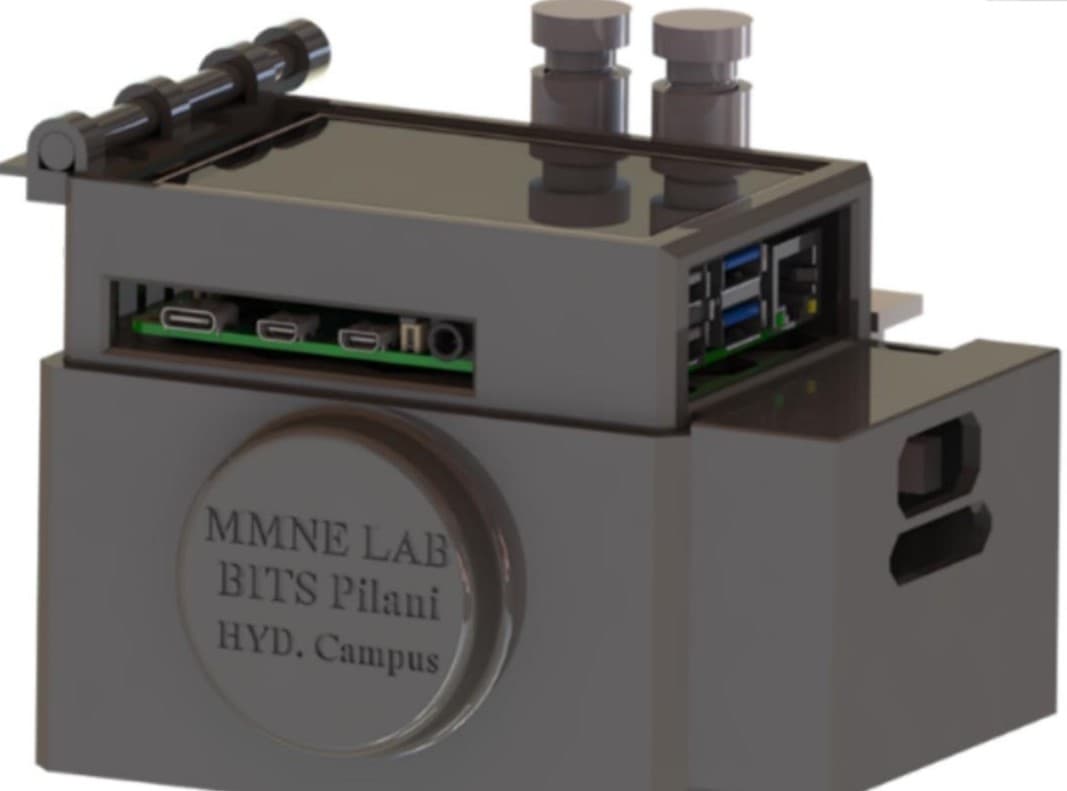
A standalone chemiluminescence platform combining disposable paper-based test strips, controlled reagent handling, incubation, imaging, and onsite signal analysis.

  • Luminol–H₂O₂–Co²⁺ chemiluminescence assay for malathion detection.
  • Plug-and-play paper-based analytical test strips.
  • Microfluidic reagent delivery and onboard incubation.
  • Raspberry Pi camera and touchscreen-based acquisition.
  • Validated using apple, citrus, and tomato samples.
LoD · 0.016 ppmRange · 0.1–10 ppmDisposable µPAD

Technology Stack

More than a sensor.
A complete analytical system.

The common engineering framework links sample interaction, chemistry, transduction, embedded instrumentation, data analytics, and application-level validation.

01

Sample Handling

Passive microfluidics, disposable paper strips, surface sampling, and wearable swipe-based collection.

02

Recognition Chemistry

Colorimetric reactions, enzyme inhibition, fluorescence modulation, and chemiluminescence mechanisms.

03

Signal Transduction

Optical absorption, fluorescence, chemiluminescence imaging, and electrochemical measurements.

04

Instrumentation

LED–photodiode systems, embedded electronics, portable potentiostats, cameras, and touchscreen interfaces.

05

Intelligence

Calibration analytics, chemometrics, PCA, k-NN classification, connected data acquisition, and decision support.

06

Field Validation

Food, produce, water, real-sample recovery studies, interference analysis, mechanical testing, and stability evaluation.

Technology Comparison

Different sensing mechanisms for different deployment needs.

Rather than forcing one analytical method onto every use case, each platform emphasizes a different balance of portability, selectivity, sample interaction, instrumentation, and field workflow.

PlatformDetection PrinciplePrimary TargetsReported LoDReal SamplesDistinguishing Capability
PestiSafe 1.0Modified molybdenum-blue colourimetryMalathion, chlorpyrifos, dimethoate, OP mixture2.35 / 0.20 / 0.63 / 0.07 ppmCucumberConnected low-cost OP screening
PestiSafe 2.0Complementary optical sensingMalathion, imidacloprid + chemometric pesticide studyMalathion 30–40 µg/L · Imidacloprid 2–3 µg/LRice, cucumber, tap waterCross-verification + pesticide discrimination
PestiSafe 3.0AChE-inhibition electrochemistryMonocrotophos + interference studies1.55 µg/LPotato, tomato, tap waterWearable swipe-and-scan sensing
Chemiluminescence PoSTChemiluminescence quenchingMalathion0.016 ppmApple, citrus, tomatoStandalone point-of-source imaging

Applications

Designed around real decisions, not only analytical signals.

01

Food Safety

Rapid residue screening before food reaches consumers or processing chains.

02

Farm-Level Screening

Portable tools for agricultural produce and field-oriented testing.

03

Water Monitoring

Screening pesticide contamination in water and environmental samples.

04

Supply-Chain Quality

Fast analytical checks for procurement, storage, processing, and quality assurance.

Selected Publications

Publications behind the platforms.

Selected papers directly associated with the pesticide sensing platforms presented above.

View all publications →
01

IEEE Sensors Journal · 2025

A Portable Hand-held Microfluidic Colorimetric Device for the Detection of Organophosphorus Pesticides

K. S. Deepak, S. K. Dubey, S. Goel and A. Javed

DOI · 10.1109/JSEN.2024.3499873

View paper →
02

Microchemical Journal · 2026

An Automated Portable Dual-Mode Optical Device for On-Site Detection and Chemometrics-Enhanced Discrimination of Pesticides

K. S. Deepak, P. Ramya Priya, Aniket Balapure, Arshad Javed, Sanket Goel and Satish Kumar Dubey

DOI · 10.1016/j.microc.2026.118355

View paper →
03

Lab on a Chip · 2026

Machine-Embroidered Textile Electrodes: Parametric Engineering for Lab-on-Glove Electrochemical Pesticide Detection

K. S. Deepak, Arshad Javed, Satish Kumar Dubey and Sanket Goel

DOI · 10.1039/D6LC00452K

View paper →
04

Microchemical Journal · 2025

Chemiluminescence Coupled Microfluidic Point of Source Testing Device for Onsite Detection of Harmful Pesticides in Fruits

Reshma P.A., Pavar Sai Kumar, Rajnish Kaur Calay and Sanket Goel

DOI · 10.1016/j.microc.2025.114381

View paper →

Pesticide Sensing at SenSys

From residue screening to intelligent food-safety systems.

This technology foundation informs next-generation work in multiplexed microfluidics, intelligent optical and electrochemical sensing, portable instrumentation, field-validation workflows, and connected decision-support systems.